
your sensory system matters more than you think
and why you should come to my virtual workshop (+ a discount code for subscribers)

If you’ve read my book All Tangled Up in Autism & Chronic Illness, you might have noticed that the sensory needs chapter makes up a large chunk compared to others. I am a firm believer that the sensory system is a hugely underdiscussed aspect not only of autism and its co-occurring conditions, but honestly, in society at large.
Everyone has sensory needs - not liking cheese, or the noise of a train scraping along the rails, or needing time out of a bar because it gets a bit much - it’s all sensory system based. But, in autistic and disabled people, this is often heightened and a huge impact on how we live our day to day lives.
Want to learn more? I’m hosting a virtual workshop for you to explore your sensory system
⏰ Tuesday 25th November 2-4pm (or buy a ticket to get the replay)
🎟️ various tier prices, pick whatever works for you. Please get in contact if funds are difficult by emailing admin@charliclement.com
💸 use code SUBSCRIBER10 for 10% off any tier price whilst codes last
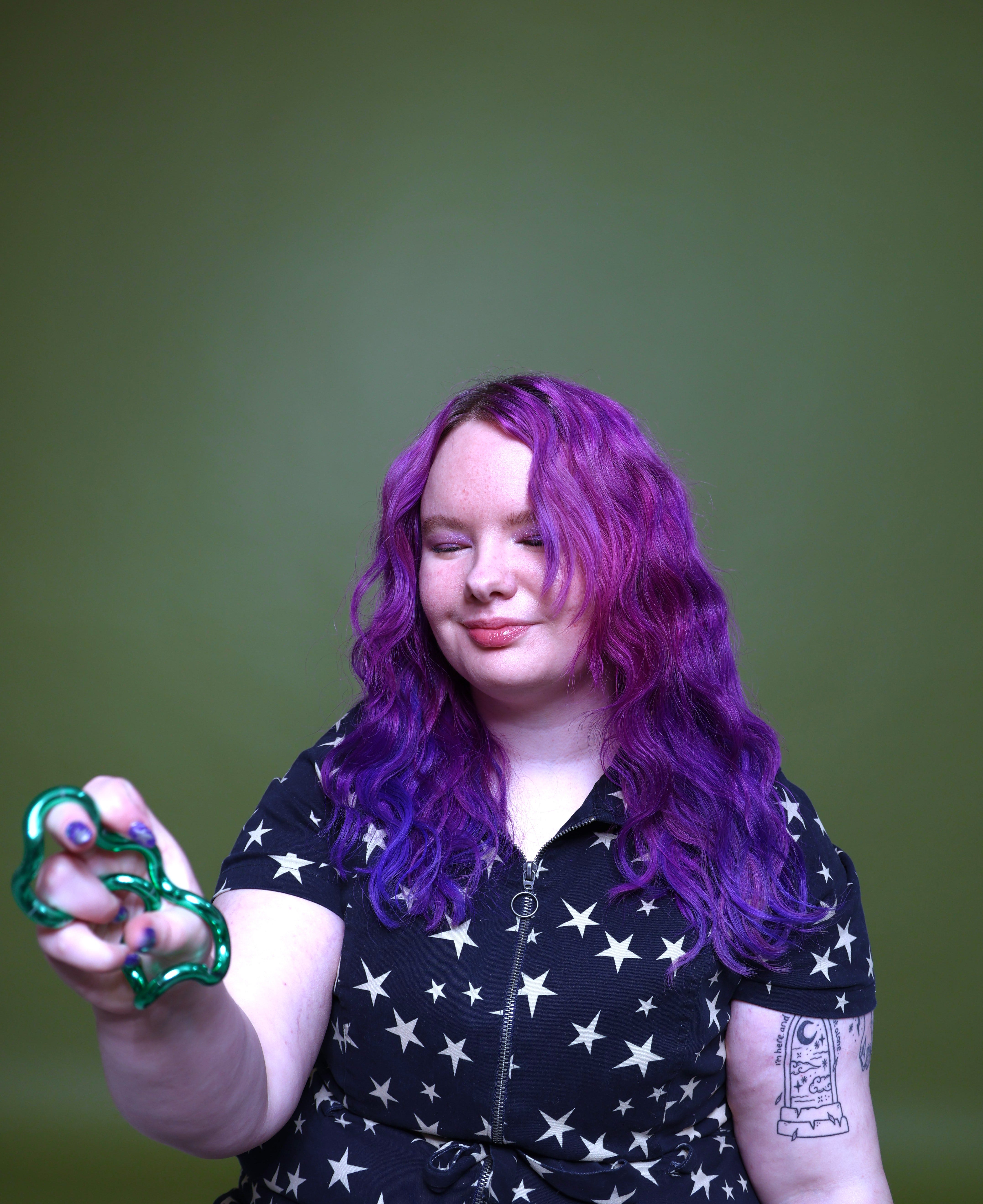
Sensory regulation is key to a calmer system
Learning about my sensory needs changed my life - it was a part of me that I didn’t even really know existed, and I was putting it under immense pressure in a society that wasn’t built for me.
Loud alarms, bright strip lighting in my classrooms, echoey dining halls with heavy smells: all of it was activating and overstimulating me in the background as I masked my needs and difficulties so heavily.
But beyond the big things, there is so much to understand about sensory regulation - how much of it is occurring internally, the way sensory input adds up, how to soothe yourself, and how it impacts masking and autistic burnout.
Why don’t we discuss the internal senses?
We say “the five senses”, which implies that’s all of them, but it isn’t! We also have three internal senses:
Proprioception - sense of the body in space
Vestibular - sense of balance
Interoception - sense of body signals
These can have a huge bearing on our lives - particularly interoception, as it affects how we experience pain, hunger, thirst, toileting, emotions and temperature (and more!). Understanding our body signals as different from others can be crucial.
Hyposensitivity & hypersensitivity are not a binary
You often hear “autistic people are hypersensitive (over) to external sensory input” or “autistic people are hyposensitive (under) to internal sensory input”, and this is a very blanket generalisation. These are not entirely untrue statements: they are the patterns we see, but it isn’t that simple.
Even within a singular sense, people can have both hyper- and hyposensitivities. For example, I am very hypersensitive to noise, but love certain forms of input; I like deep pressure but don’t like soft touch or lots of textures.
When we discuss sensory needs, we need to move away from these blanket ideas and understand the depth of needs, and what we might need to soothe or seek.
There are endless ways to soothe & accommodate
Learning your own sensory signals, needs and system can be a long process and one that may need information that you aren’t given in a professional context. I had a sensory assessment from an Occupational Therapist that changed my life, but I still had to do so much learning about the ins and outs of everything - particularly when considering the clashing impact of my chronic illnesses on things such as how my temperature regulation system works, or how to stim in accessible ways, or how my meltdowns make my pain and fatigue worse.
Taking time to think about how to soothe and accommodate yourself is key.
Want to learn about all this and more? Come to my virtual workshop
⏰ Tuesday 25th November 2-4pm (or buy a ticket to get the replay)
🎟️ various tier prices, pick whatever works for you. Please get in contact if funds are difficult by emailing admin@charliclement.com
💸 use code SUBSCRIBER10 for 10% off any tier price whilst codes last
Thanks for writing this, it clarifies a lot, making me realise how much our subtle sensory needs truly underpin everyday life, which is a surprisingly impactful idea.